Excavation Contractor Collingwood
In This Town, the Dirt Needs a Permit Too
Collingwood regulates the soil you move and the grades you leave before it regulates the house. The digging is the easy part; keeping it legal is the job.
Site Preparation & Development
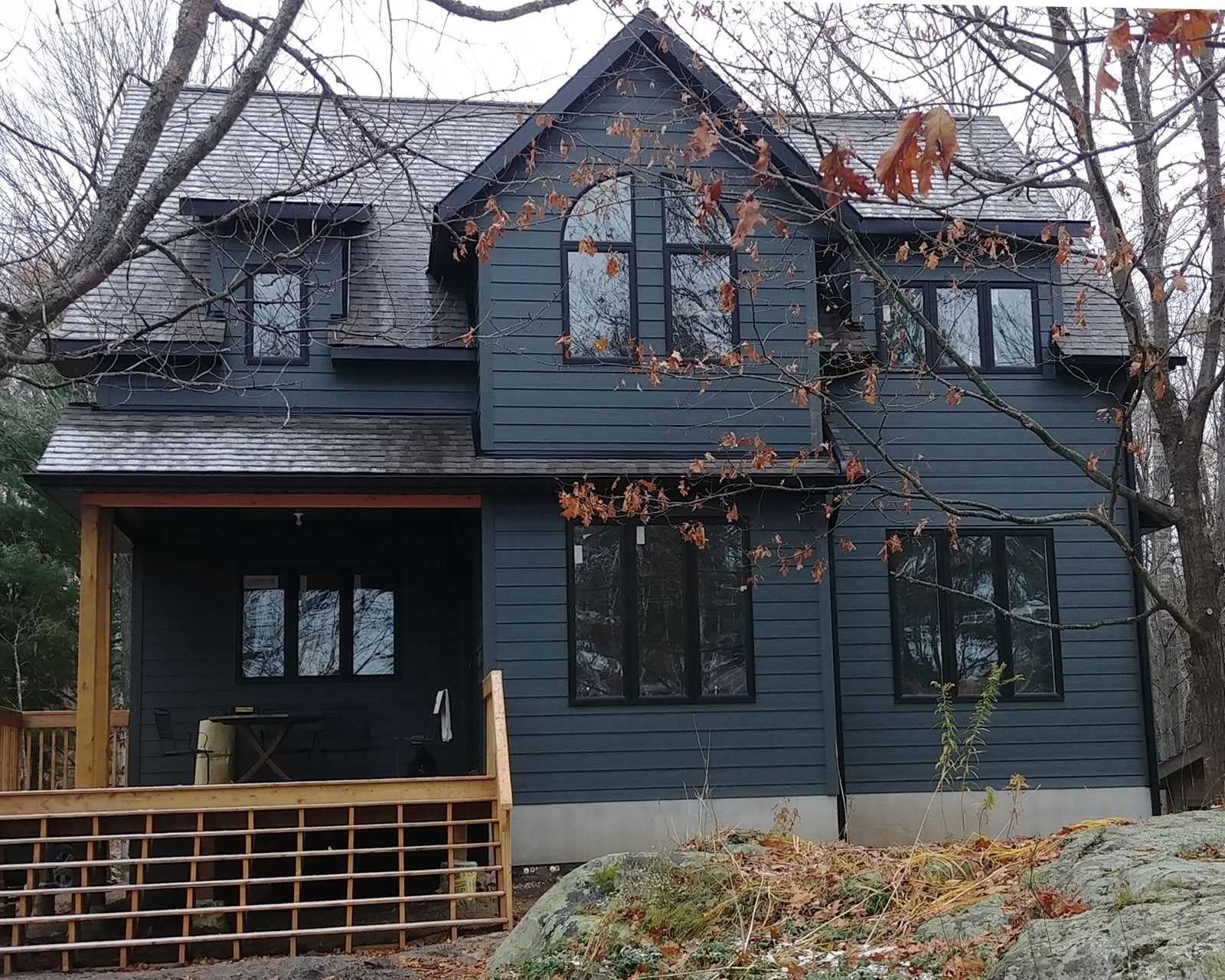
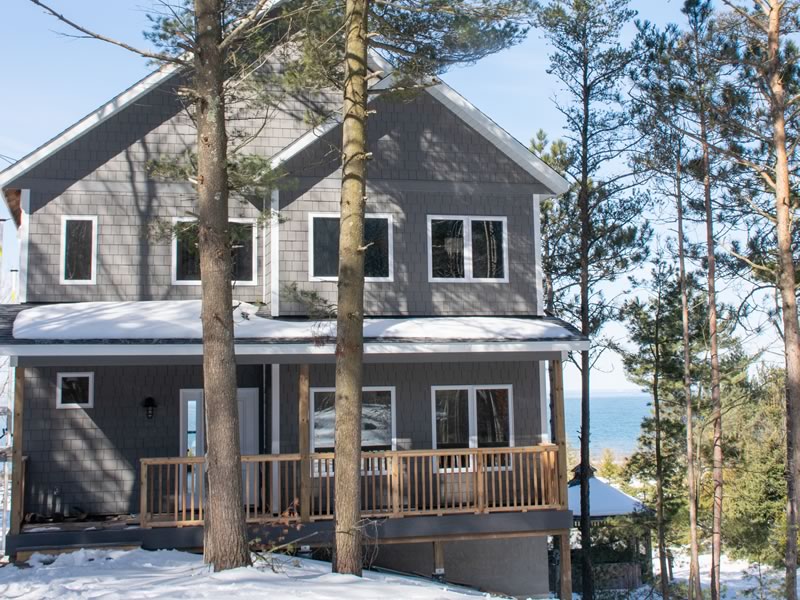
Clearing, excavation, grading, driveways, well and septic, under one team.See the service →Hiring an excavation contractor Collingwood will accept starts with a fact that surprises most owners: in this town, the soil has its own paperwork. Moving fill on or off a Collingwood lot needs a Town permit under its own by-law. A lot near a creek, a wetland or the Georgian Bay shoreline may need a conservation authority permit before any grading. And the hole for the house is dug, backfilled and finished to an approved grading plan that a consultant has to certify, as built, at the end.
We are A&R Design Build. Site preparation is one of our services and part of every custom home and cottage we have built across Central Ontario since 1973, and the man responsible for it is our owner, Rene Ouellet Jr., who oversees site preparation, excavation and foundations himself. We are based in Innisfil, Ontario; Collingwood is in Simcoe County, one of the regions we serve. This page covers the three Collingwood permissions that shape excavation work, in the order a site meets them.
Moving Soil in Collingwood: By-law 2003-103
Collingwood regulates the removal and placement of fill under By-law 2003-103, administered by the Development Engineering division. Outside an executed development agreement, the Town’s position is simple: no fill goes in or comes out without a Fill Permit. For a custom home that matters in both directions, because an excavation either produces surplus soil that has to leave or needs imported material to bring a low lot up to grade.
The application is more than a form. At minimum, Collingwood wants grading plans and erosion and sediment control plans, and a Fill Management Plan that sets out the soil quality on the receiving site, the soil quality at the source, the trucking route and the entrance location. A qualified person decides whether the fill is acceptable for the land use; where a Record of Site Condition has been filed, that record governs. The Town points to the Ministry of the Environment’s 2014 guide on managing excess soil for the quality guidelines.
| Fill Permit, security of $5,000 or less | $380 |
|---|---|
| Fill Permit, security over $5,000 | $4,320 |
| Renewal or transfer | $131 |
| Securities | every erosion and sediment control item, plus enough to topsoil and seed the disturbed area if work stops |
The securities are the telling part. Collingwood asks for money against each item on the erosion and sediment control plan, naming sediment ponds, rock check dams, silt fence and the mud mat at the entrance, and against restoring the site if fill operations stop partway. An excavation contractor in Collingwood who does not draw and maintain those controls is spending your security.
Which Collingwood Permits Your Excavation Needs
The three questions are independent of each other. A flat infill lot with no surplus soil may need only the grading plan. A sloped lot near a watercourse that needs material brought in can need all three, and the Town is explicit that where a site is in a conservation authority’s regulated area, a permit is required from both the Town and the authority.
Regulated Land Near the Bay and the Creeks
Collingwood sits within more than one conservation authority’s reach: the Town’s own guidance sends owners to the Nottawasaga Valley Conservation Authority or to Grey Sauble, depending on the lot. NVCA describes its regulated areas as land in or near rivers, streams, wetlands, valleylands and the Georgian Bay shoreline, and lists development, site grading, placing or removing fill and interfering with wetlands or watercourses among the activities that need its permit under Ontario Regulation 41/24.
Timing is published too. NVCA runs a 21-day completeness review, then takes about 30 days for a minor permit and about 90 days for a major one from the date the application is deemed complete. A pre-consultation costs $578, which comes off the final permit fee, and it tells you whether engineering or ecology review will be needed. On the shoreline, NVCA notes that approvals from the Ontario Ministry of Natural Resources and Fisheries and Oceans Canada may be needed as well.
For an excavation schedule, the point is sequence. A conservation permit that has not been applied for is a summer of digging that cannot start. On a regulated Collingwood lot, that application belongs at the front of the job, beside the Town’s own permits, not after the excavator is booked.
Hiring an Excavation Contractor? Collingwood Grades Come First
Every new house permit in Collingwood goes in with an approved lot grading and drainage plan. That drawing fixes the elevations around the house: the top of foundation, the finished grade at the walls, the swales that carry water to the street or the rear lot line. The excavation, the backfill and the final grading are all built to it, which makes the excavation contractor the person who turns a Collingwood engineering drawing into ground.
Then the grades have to be proven. For a new house, or an addition over 400 sq ft, Collingwood holds a lot grading deposit. To release it, a qualified engineer or consultant inspects the finished site, issues a Lot Grading Certification and a complete as-built drawing, the Town reviews them and inspects the property, and the money comes back only after that inspection is approved and the building permit has passed its final inspection.
There is a second reason to grade to plan, and Collingwood states it plainly. When a resident reports water arriving from a neighbouring property, the Town checks two things: whether stormwater easements exist, and whether grading or permits were approved for the neighbour. If neither applies, the Town treats it as a civil matter between owners. A lot graded to an approved, certified plan is a lot with a record behind it.
Our Site Work, in the Order It Happens
Walk the lot first
A site visit to assess conditions and find the best location for the house, before a plan is drawn, so the excavation fits the ground rather than fighting it.
Put the permits in order
The conservation authority where the lot is regulated, the fill permit where soil moves, the grading plan with the house permit. Our permits team prepares them; the dig waits for them.
Clear, excavate, prepare
Lot clearing, blasting where rock demands it, excavation, and foundation preparation, with the erosion controls in place first.
Services and access
Driveway and site access, including sloped approaches, and where there is no municipal service, well drilling and septic design and installation.
Backfill and finish grade
Drainage done to the approved plan, because our freeze-thaw climate punishes water left against a foundation, then certified so your deposit comes back.
On a Collingwood lot without municipal sewer, the septic system is part of the excavation plan from the start. The Town’s new house checklist calls for an on-site sewage system permit application with the house where it applies, and its 2026 fee schedule charges $675 for a new or replacement sewage system permit. Retaining walls are another Collingwood line item, at $3.40 per linear foot under the same schedule, worth knowing about before a sloped lot’s grading plan relies on one.
Collingwood Excavation Questions
Do I need a permit to bring fill onto a Collingwood lot?
Yes, unless the work is covered by an executed development agreement. Collingwood’s By-law 2003-103 prohibits placing or removing fill without a Fill Permit, which needs grading and erosion and sediment control plans and a fill management plan.
How much is a Collingwood fill permit?
The Town lists $380 for a permit requiring $5,000 of security or less, and $4,320 for one requiring more. Renewal or transfer is $131. Securities for erosion controls and site restoration are separate from the fee.
Is my lot regulated by the NVCA?
The Town of Collingwood points owners to either the Nottawasaga Valley Conservation Authority or Grey Sauble, depending on the lot. NVCA regulates land in or near rivers, streams, wetlands, valleylands and the Georgian Bay shoreline, and a pre-consultation will confirm it.
How long does an NVCA permit take?
NVCA lists a 21-day completeness review, then about 30 days for a minor permit and about 90 days for a major one, counted from when the application is deemed complete. A pre-consultation costs $578, deducted from the final permit fee.
My neighbour’s new grading is flooding my yard. Will the Town step in?
The Town reviews whether stormwater easements exist and whether grading or permits were approved on the neighbouring property. If neither applies, it treats the matter as a civil issue between owners and cannot intervene.
Do you do excavation on its own, or only as part of a build?
Site preparation is one of our services: clearing, excavation, grading and drainage, driveways, well and septic, run by one team on one schedule. It is also step eight of every home and cottage we build.
Before the Foundation
Permits & Approvals
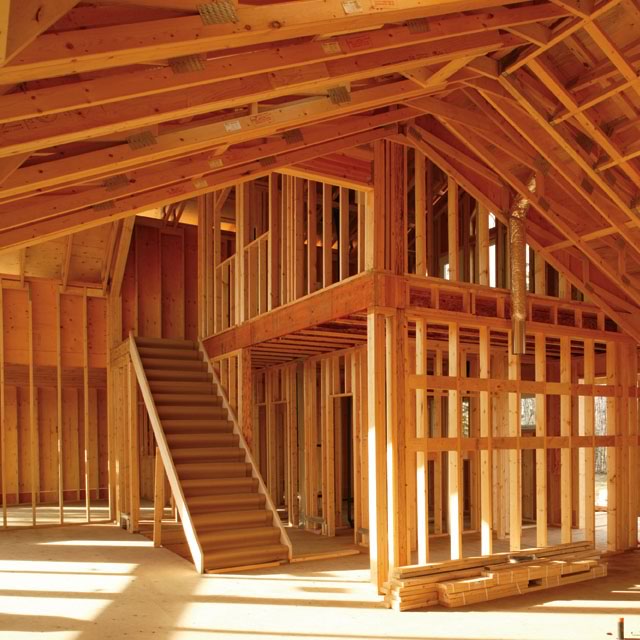
Conservation, septic and building approvals, prepared for you.
See the service →
Preparing a Collingwood Lot?
Tell us where it is and what you plan to build. We will walk it and tell you which permits the ground will need before anyone digs.