Well Records Ontario: How to Find, Read and Keep the One for Your Well
Where to search, what the log, casing and yield test on a record mean, the tag on the casing, and what to do when your well has no record at all.
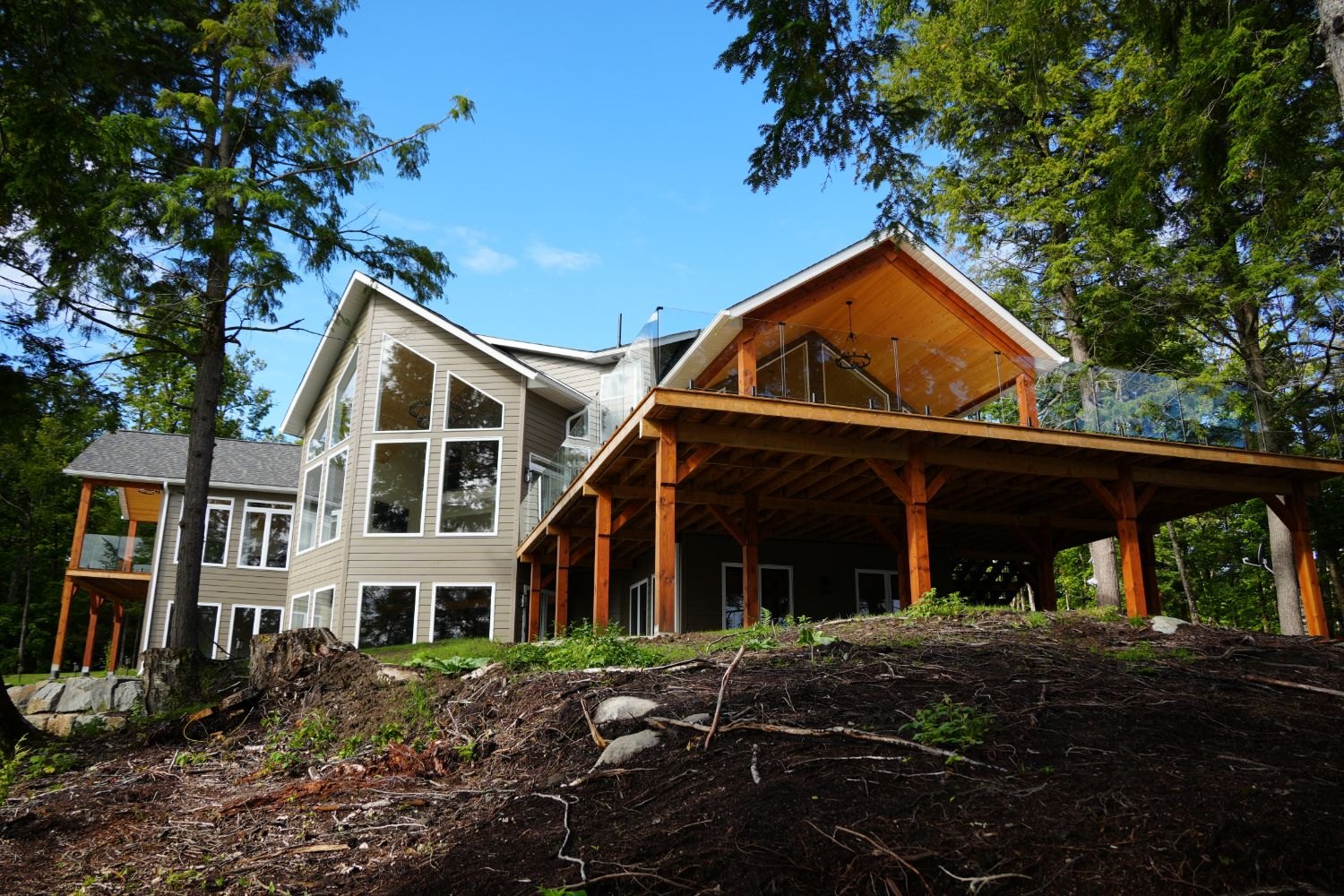
Practical, plain-language guidance for anyone planning a custom home or cottage in Central Ontario — from a builder who’s been at it since 1973. New articles are on the way.
Where to search, what the log, casing and yield test on a record mean, the tag on the casing, and what to do when your well has no record at all.
Pipe, stone, sand and soil, and the five kinds the Code allows. What a septic bed needs around it, the signs it is struggling, and what fixing one involves.
When to open the tank, the filter that needs cleaning every year, what Muskoka townships now inspect, and how to keep a bed from freezing under the snow.
An easy lot, a small rectangle under one roof, a plan that has been built before, and a finish level you can grow into. Where the savings are, and where cheap costs more.
An estimate is a list before it is a number. The four layers to price, how to set allowances, and how to compare two quotes on the same terms.
What to check before you sign for a lot: zoning, the conservation authority, the road, septic and well, an unsevered parcel, and how the money works when the land comes first.
Where the sink goes, how much room a full house needs, which finishes stand up to wet feet and sunscreen, and what the water and the seasons change about the plan.
A home that produces as much energy in a year as it uses. What the label actually asks for, the difference between net zero and net zero ready, and the design choices that make it easier.
The strip of concrete every wall, post and chimney stands on. How wide and thick the code says it must be, what it has to sit on, and what changes when the weather turns.
The short concrete wall that carries a garage or a slab-on-grade home down past the frost. How deep it goes, where it is used, and how it is built and backfilled.
A concrete floor with no basement under it. The layers that go down first, what the code asks of them, how frost is handled, and when a slab is the right call.
What changes when the walls above the foundation are foam and concrete too: how they go up, what they change about the rest of the house, and the trade-offs against a framed wall.
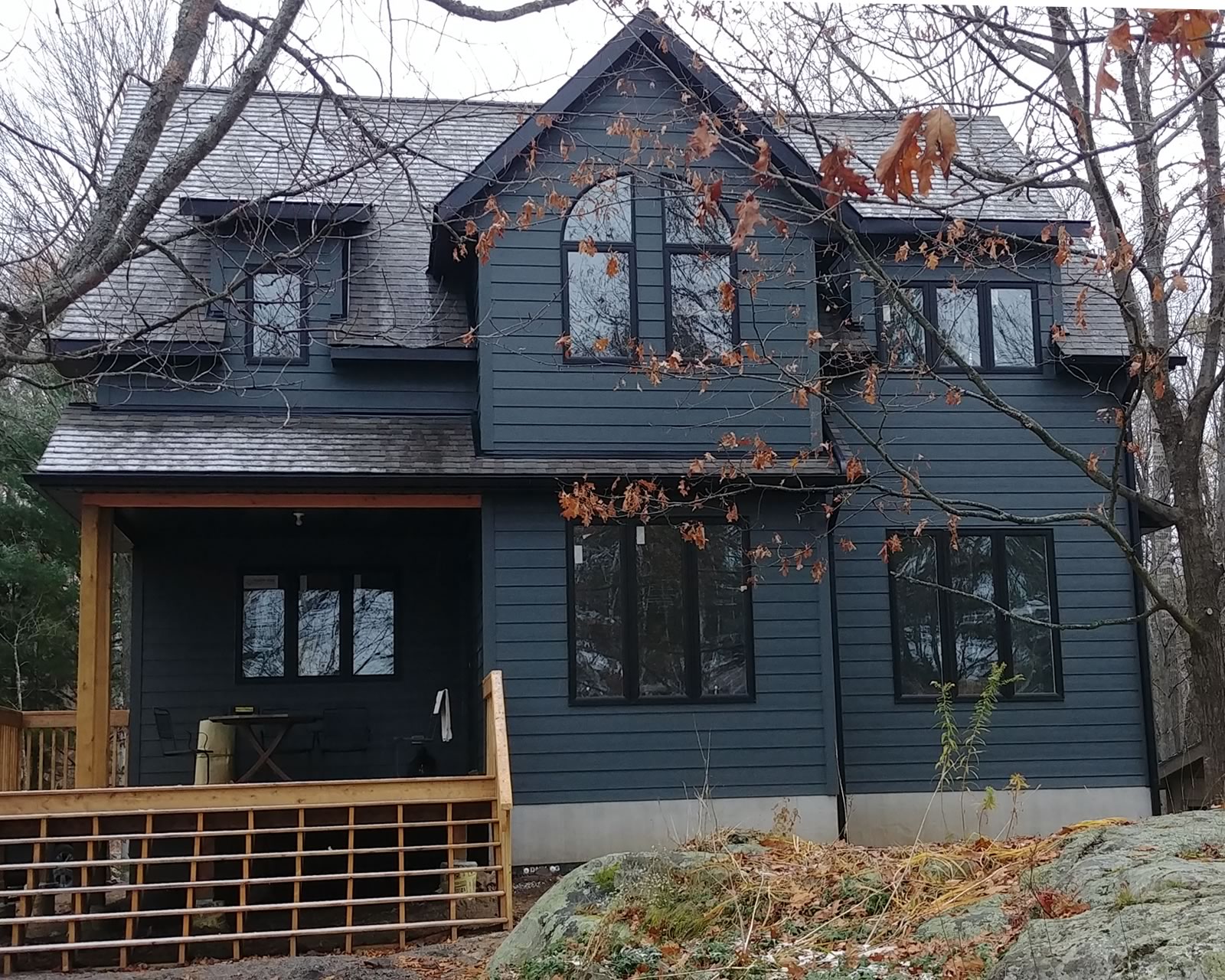
How insulated concrete form walls go up, what the code asks of them, what the foam buys you, and the trade-offs to weigh before you choose one.
What the one-, two- and seven-year warranties protect, what they leave out, and the forms and dates to keep after you move in.
Big timbers on a small building. What Parry Sound rock, the road in, the snow load and the permit rules each decide.
The mortise and tenon, the peg and the drawbore, braces and scarfs, and why green timber moves. What to check on the drawings.
The loft, the deck and the snow each shape the great room. What the Code asks of each, and 12 plans from 1,346 to 3,226 sq ft.
Roughly 15 to 40 years. What shortens a system’s life, the upkeep the Code asks for, and what to check before you buy.
The four cases Ontario allows one, how big it must be, and why Georgian Bay rock usually means a raised bed instead.
Who may draw it, what the site evaluation finds, why some beds are raised, and how clearances decide where it goes.
Your house sets the size, your soil sets the bed. Raised beds on Shield rock, shoreline setbacks, and how to read a quote.
What Ontario’s Wells Regulation puts on every quote, what is often left off, and how to compare two.
How each is built, why one is harder to contaminate, and what Shield rock and the septic bed change.
Drain it or heat it, empty every line and trap, leave the septic alone, and test the well when you open in spring.
A shape and a structure are two choices. How much floor the slopes take, why the roof is steep, and who engineers the frame.
The soil, the slope and the winter heating decide it before the floor plan does. Depth, footings, piers and crawl spaces.
Why the money arrives one stage at a time, what the lien holdback is, and what to ask your lender before you sign.
Twelve stages from the first conversation to the keys — and the two or three that quietly decide the rest.
Why price per square foot tells you almost nothing, and the decisions that genuinely move the number.
The stage nobody photographs and everybody underestimates. Access, clearing, well, septic and drainage.
Almost nobody builds a catalogue plan exactly as drawn. What actually gets changed, and what it costs.
The last afternoon your house is honest with you. What to check while it is all still visible.
Three buildings people lump together, and three different approvals. What your township decides first.
Bronze to Platinum — what each level actually hands you, and why most people land between two.
Lots, permits, choosing a plan that suits the site, and why four-season pays for itself.
A slope changes your foundation, your drainage and how much dirt has to move. It is also what makes a walkout lower level possible.
A true timber frame, a stick-framed house, and the middle path most people actually choose. What changes in cost, insulation and how open a room can be.
Setbacks, septic and conservation approvals shape a waterfront cottage before a single line is drawn. Here is the order they arrive in.
Tell us about your project and we’ll reply within two business days. No pressure — just an honest conversation with a builder who listens.