A regular mortgage pays for a house that already exists. A construction mortgage pays for one that does not yet, and lenders handle that risk in a very particular way: they pay in pieces, and only after somebody has confirmed the piece is there.
That one rule explains almost everything that surprises people about financing a custom build. Why the money arrives in instalments. Why part of each instalment does not go straight to the builder. Why the lender wants to know who is building the house, and what warranty stands behind it.
Here is how it fits together, from the paperwork side of the build.
The money follows the work, not the other way round
A construction mortgage is approved for a total amount, but it is paid out as a series of advances, usually called draws, as the house goes up.
Each draw is tied to an inspection. Royal Bank of Canada’s published instructions to the lawyers who handle its construction mortgages (RBC Form 4176) are a good example of how this works: before the first advance, the bank needs a satisfactory progress inspection report from a qualified inspector or appraiser, and it will not release any later advance until it has a satisfactory report for that one too. The same document limits the number of advances to five or seven.
The total behind all of it is based on what the finished home will be worth, not what is standing on the lot today. Canada Mortgage and Housing Corporation (CMHC), the federal Crown corporation that insures mortgages, describes its insured new-construction financing in exactly those terms: up to 95% of the “as-improved” value for a one- or two-unit owner-occupied home.
What that means in practice is simple. The lender is never ahead of the build. It pays for the stage that has been finished and inspected, and the next cheque waits for the next stage.
The land usually comes first
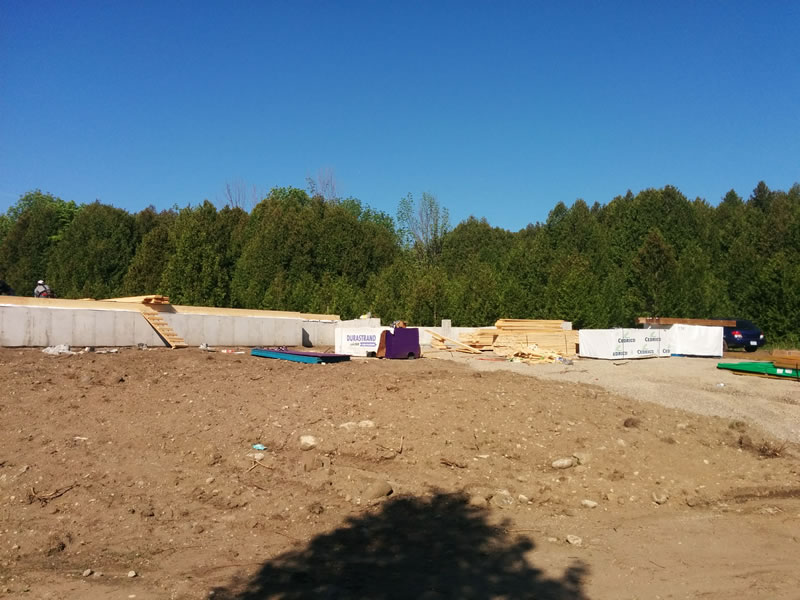
Lenders want to see the ground a house will sit on before they fund anything on top of it. CMHC’s criteria for insured new construction require the borrower to hold title to the land by the first advance, and they do not permit loan advances on vacant land.
Some lenders will finance the lot itself as the first draw. RBC’s instructions, for instance, waive the progress inspection when the first advance is for buying the lot. Whether that is open to you, and on what terms, is a question for your lender.
Two things follow. If you already own your lot, it is part of the project’s equity, and CMHC is explicit that any equity in the land has to go toward building and completing the home; you cannot draw it out as cash. And if you are still looking for a lot, talk to a lender before you commit to one, not after. The lot also decides more of the budget than most people expect.
Why part of every draw is held back
This is the part almost nobody hears about until it happens.
Construction lien laws require a holdback on construction payments, and lenders build it into every draw. RBC’s instructions list the amount province by province, and in most provinces it is 10%. The lawyer keeps that amount back from each advance.
The holdback protects you. If a supplier or a subcontractor goes unpaid, they can register a lien against your property, and the money held back is what stands between that claim and you. Once the lien period has expired and a search of title confirms nothing has been registered, the holdback can be released. RBC’s instructions put the cost of those title searches on the borrower.
For your budget, the practical effect is that a draw is not fully spendable on the day it arrives. Plan cash flow around the money that actually moves, not the gross figure on the approval.
If your mortgage is insured there is a second deduction. RBC notes that the insurance premium, and any tax on it, comes off each advance rather than being paid once at the start.
Why the lender cares who builds it
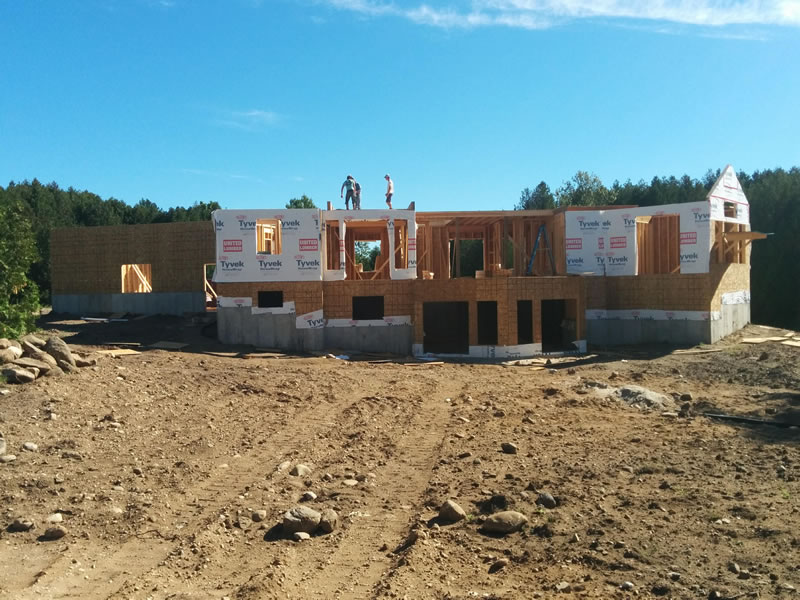
A lender is lending against a house that somebody else is going to build. So it asks who.
CMHC’s insured new-construction criteria call for a contract with a single builder, and require evidence that the home is enrolled in a recognized new home warranty program wherever one exists. RBC’s instructions ask the lawyer for a new home warranty certificate on a newly built home where the province has one.
This is one place where you can check a builder before you sign anything, rather than taking anyone’s word for it. We have been a Tarion Registered Builder since 1983 and hold HCRA licence #B46716. The HCRA licence is a public record, and our about page links to it. Every home we hand over comes with the 7-year Tarion structural warranty, the manufacturers’ warranties and our own 1-year builder warranty, and design, approvals, construction and finishing sit under one roof with one team.
Insurance while it is being built
A house under construction needs its own insurance, and the lender will want proof of it. RBC’s instructions name the two usual forms: a Builder’s Risk policy, bought by the builder, or a Course of Construction policy, bought by the owner on a self-build. Either way, the coverage should match the full appraised completion value of the project.
Find out which one applies to your build, and who is paying for it, before the first draw. Not when the lender’s lawyer asks for the certificate.
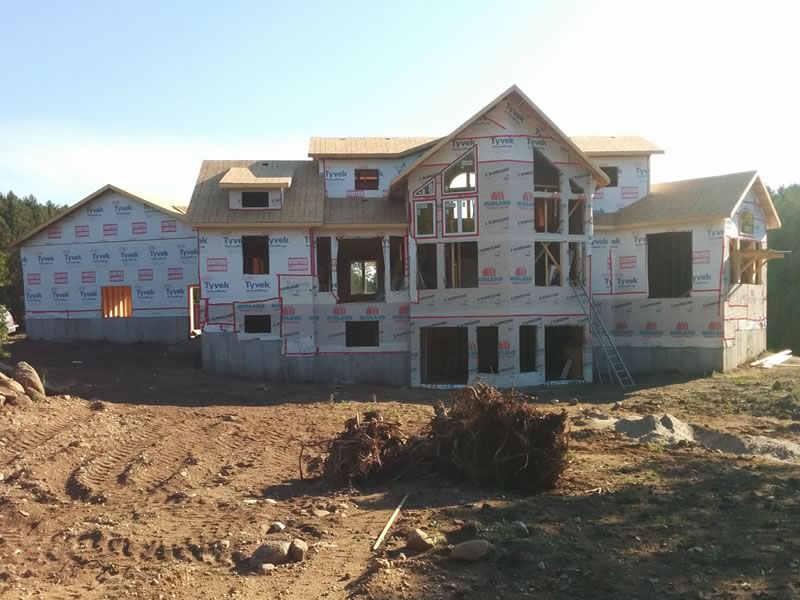
Your finish level changes the last draws
How finished you want the house handed over is a budget decision. It is also a financing one.
Our build packages run from Bronze, where the structure is finished and ready for you or your trades to complete, through Silver, Gold and Platinum, which are complete and move-in ready. Finishing part of the house yourself can make real sense, and the trade-offs are worth reading about first.
What changes with the lender is the end of the schedule. Because each advance is released only against inspected work, the stages you finish yourself are stages the lender will look at before it pays. Ask how your lender treats owner-completed work: whether your materials and labour count toward a stage, and what has to be done before the final draw is released. It is a short conversation at the start and an awkward one at the end.
Questions to ask before you sign
Every lender’s construction product is a little different. These are the questions that decide what it is like to live with one:
- How many draws, and at which stages? RBC caps it at five or seven; CMHC’s full-service option validates up to four consecutive advances.
- Who orders each inspection, and who pays for it?
- How is interest charged while the house is going up, and when do regular payments start?
- When does the mortgage convert to a regular one, and is there a deadline to finish?
- Is an insurance premium deducted from each draw?
- What does the lender need from the builder: the contract, the plans, a cost breakdown?
Then take the answers to your builder. A builder’s payment schedule and a lender’s draw schedule have to line up, and the time to find out whether they do is before the foundation goes in.
Where to start
Start the lender conversation at the same time as the builder one. Our process begins with a pre-consultation about your vision, needs, budget and timeline, and a budget that has already been through a lender is a much firmer place to start from than one that has not.
We are builders, not lenders. When a question belongs with your bank or your accountant, we will say so, and help you ask it properly.
Tell us about your project and we will reply within two business days.
Frequently Asked Questions
Can I get a construction mortgage before I own the land?
Sometimes the lot purchase can be the first advance; RBC’s instructions, for example, skip the progress inspection when the first advance buys the lot. Under CMHC’s insured new-construction program, though, you need title to the land by the first advance and no advances are made on vacant land, so for an insured mortgage the land generally has to be in place first. Ask your lender which applies to you.
How much do I need for a down payment on a construction mortgage?
It depends on the lender and on whether the mortgage is insured. CMHC’s insured new-construction financing goes up to 95% of the home’s as-improved value for a one- or two-unit owner-occupied home. Uninsured construction lending is set by each lender, so get the number from yours rather than from a rule of thumb. Land you already own is part of the project’s equity.
What is the holdback on a construction draw?
A portion of each draw kept back under construction lien law, 10% in most provinces according to RBC’s published instructions. It protects you against liens from unpaid suppliers or subcontractors, and it can be released once the lien period has passed and a title search shows nothing registered.
Does my builder need to be enrolled in a new home warranty program?
For a CMHC-insured mortgage, yes, wherever a recognized program exists: CMHC requires evidence of enrolment. We have been a Tarion Registered Builder since 1983, and our HCRA licence, #B46716, is in the regulator’s public builder directory for anyone to check before signing anything.