The walk-through itself is called the pre-delivery inspection, or PDI. In Ontario it is not optional. Tarion makes it mandatory for every new home enrolled in the warranty program, the builder leads it, and either you or someone you appoint has to be there to sign the form at the end.
My job here is coordinating our builds from framing through completion: the trades, the schedule and the quality control. So the PDI comes at the very end of my part of a house. Here is what to look at, what to bring, and what the paperwork means once it is signed.
What the Tarion PDI checklist is for, and what it is not
Two pieces of paper are in play on the day, and people mix them up.
The PDI Form belongs to the builder. The builder fills it in during the walk, listing everything that is incomplete, damaged, missing, not working, or that cannot be checked because it is hidden or blocked. You sign it, you get a copy, and it becomes the official record of the condition of the house before you moved in. If there is ever a disagreement about whether a scratch happened before or after possession, that form is what Tarion looks at.
The Tarion PDI checklist is yours. It is a set of prompts, room by room, so you do not walk past the inside of a cabinet or forget to open a window. Use it as notes, then compare it with the builder’s form before you sign. Anything on your list that is not on theirs is the conversation to have before the pen comes out.
Neither one is a warranty claim. Tarion is clear that the PDI Form is not a request for warranty service, and missing something on the day does not necessarily cost you coverage. What the form does is make proof easy. A chipped countertop written down before possession is a fact. The same chip reported three weeks later is an argument.
One more thing the checklist says plainly, and it is worth knowing before you go: if a builder refuses to record a damaged, missing, incomplete or inoperable item, you have the option not to sign.
Before the day: what to bring and who can come
Bring your purchase agreement, or on a custom build, your contract and your selection sheets. Tarion specifically asks you to note any substitution of an item your agreement named or let you choose, and you cannot spot one from memory.
Bring your phone for photographs. Tarion says photos of damaged or incomplete items can be sent to it later if they are needed, and a photo with a date on it settles a lot.
Bring someone if you want to. There is no restriction on who can come with you, and a professional home inspector is allowed either alongside you or in your place. If you send someone instead of going yourself, fill in Tarion’s Appointment of Designate form and give a copy to the builder before or at the inspection, so they are allowed to sign for you.
And give it time. Tarion’s own guide for builders says the inspection may take up to one hour for every 1,000 square feet. By that measure, a 2,500 sq ft home is a walk of two and a half hours, not a quick lap before the keys change hands.
A Tarion PDI checklist, room by room
Tarion tells builders to start at the top or the bottom of the house, the attic or the basement, and work through every room in order, then give the outside as much time as the inside. That is a good order for you too. These are the things the Tarion PDI checklist asks you to look at.
Kitchen and laundry
- Every light works, and none is missing.
- Every option and upgrade you chose is actually installed.
- Cabinet doors and drawers open, close and line up, with no chips or dents.
- Under each sink: no water stains, no sign of a drip.
- Counters and sink are free of scratches and chips, and the caulking along the backsplash is complete.
- The range hood fan and light both work, and the dryer vents to the outside.
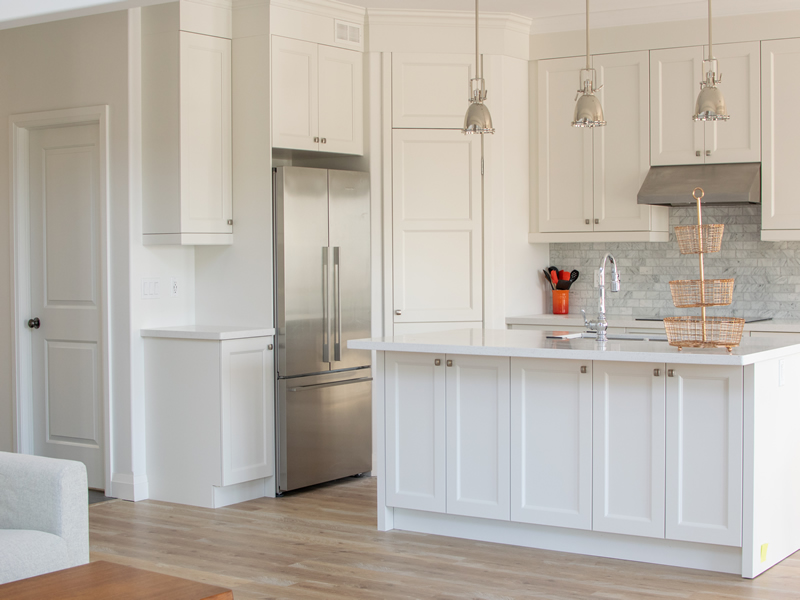
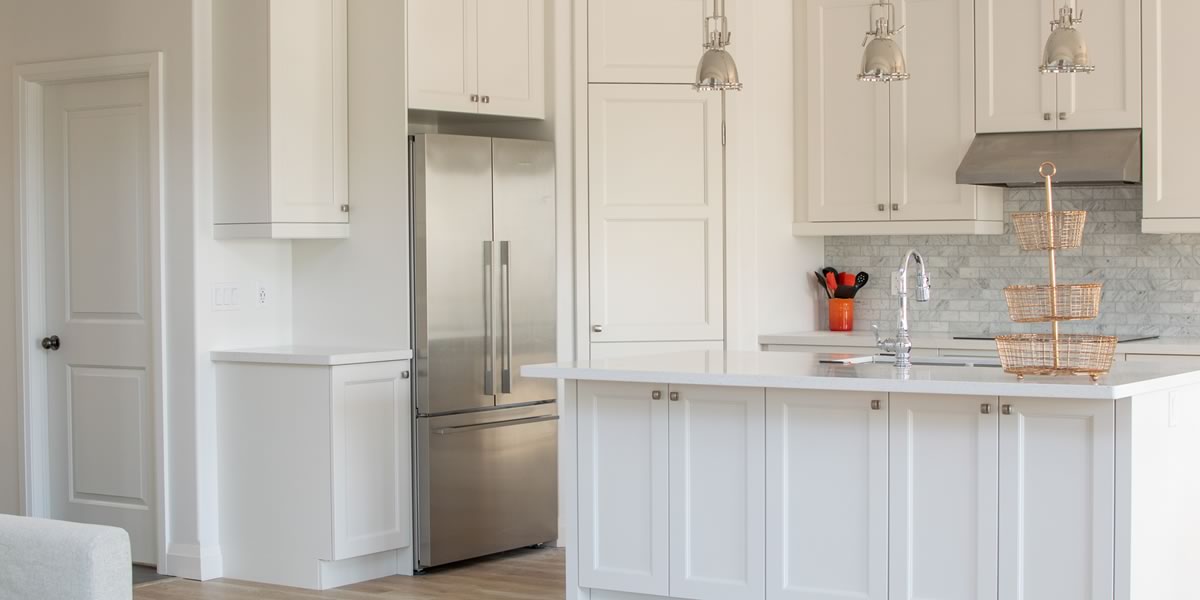
Two notes from Tarion’s list save arguments here. Natural wood will vary in grain and stain, and natural stone like granite or marble usually has small pits, fissures and veins. Neither is a defect. And appliances are not covered by the new home warranty at all, so a dented fridge is settled with the builder or the supplier, outside the program.
Bathrooms
- Lights and the bathroom fan work.
- Mirrors, tubs, toilets and fixtures are free of scratches and chips.
- The caulking around the tub and shower is complete.
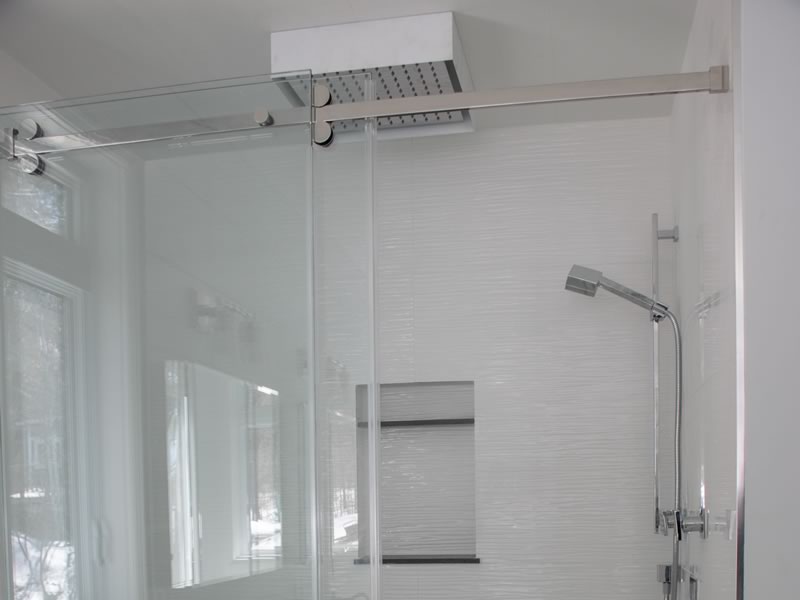
- A shower door opens and closes properly.
- No tile is cracked or missing, and the floor around the toilet is dry.
Floors, walls, doors, windows and stairs
- Floors have no scratches, dents or loose tiles, and grout is complete.
- Drywall has no dents or gouges, and baseboards and casings are clean.
- Every window opens, closes and locks, its crank is on, and its screen is in place.
- Every door works, with a visible gap above the floor covering.
- Handrails are solid, with no rough edges, and stair treads are not gouged.
- Closet shelves and rods are installed, if they were part of the deal.
If you have an attached garage, check the door between the garage and the house. It should close and seal on its own, with a tight seal all round.
Outside: the other half of the Tarion PDI checklist
- Grading slopes away from the foundation all the way round, and below-grade windows have window wells.
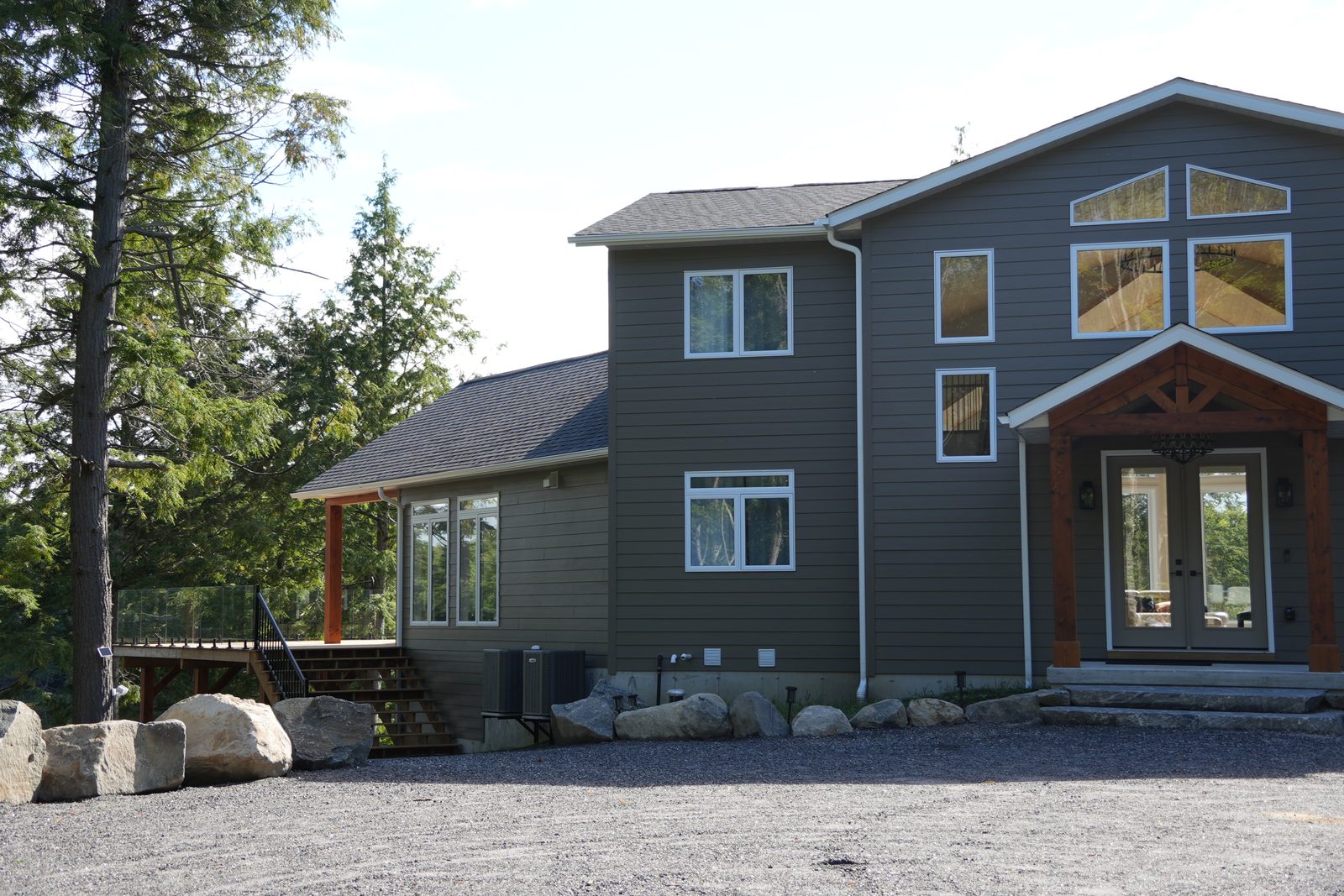
- Siding is secure and straight, brick is not cracked, and trim is finished and painted where it should be.
- Caulking is complete around every window, door and opening.
- Shingles, viewed from the ground, have no broken tabs, and vents and louvres are not damaged.
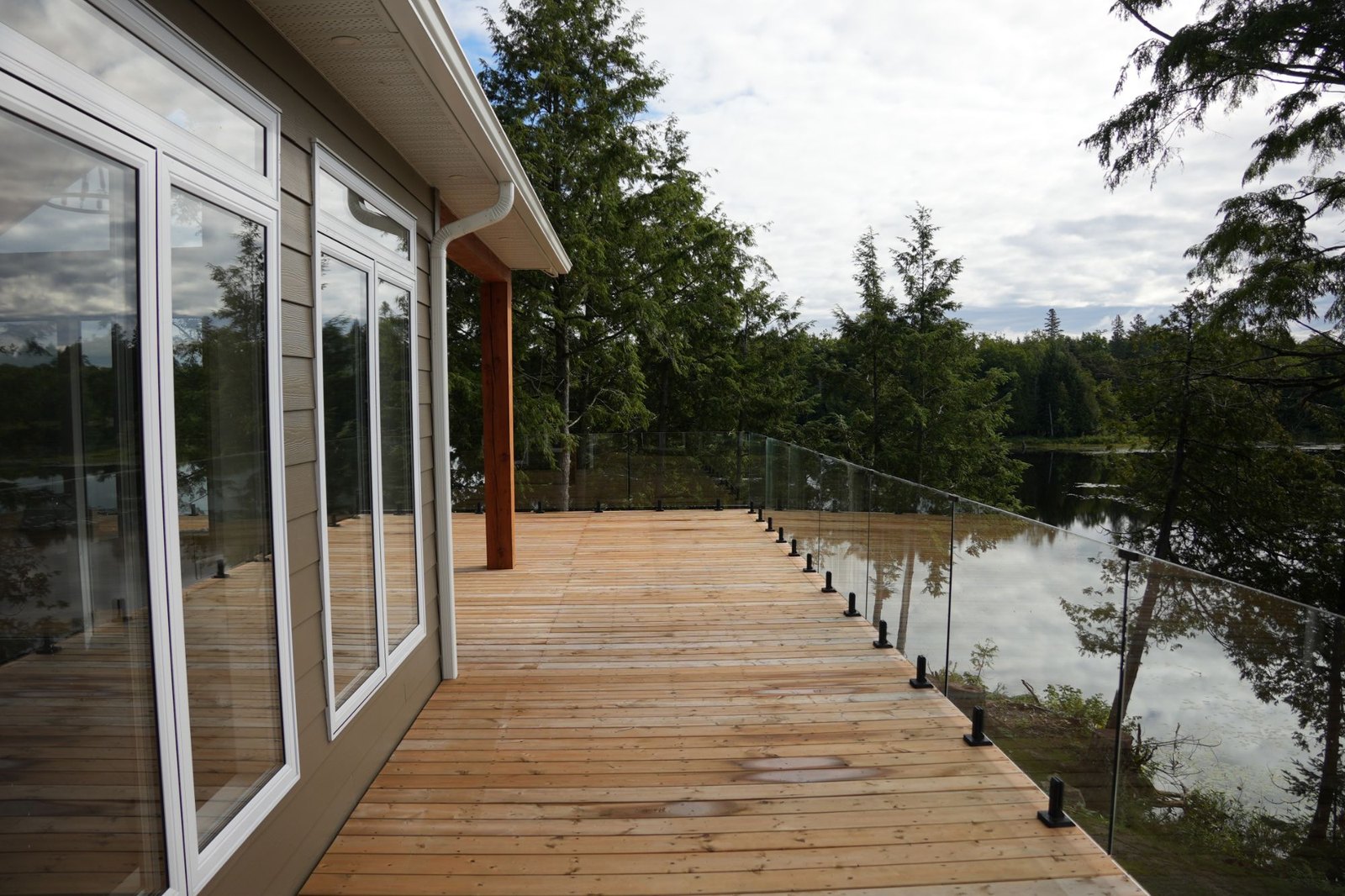
- If your contract includes the driveway, walkways, decks or patios, they are finished and undamaged.
The systems, and how to run them
The last page of the Tarion PDI checklist is the easiest part to rush, and the part that matters longest. Tarion puts it on the builder to explain how the heating, electrical, plumbing and air conditioning work, and it warns that not running them properly can affect your warranty. Find the furnace filter and ask how often to change it. Learn the thermostat. Find the main water shut-off and the emergency switch for the furnace. If there is an HRV, have it explained. Ask what humidity to aim for in each season, because condensation caused by poor maintenance is not covered.
What is different on a custom build
Most of what is written about the PDI assumes a condo or a subdivision house, where the buyer first sees the finished place on inspection day. A custom home is not like that, and it changes how you should use the list.
You chose most of what you are looking at. In our build process, exterior and interior selections are separate steps: siding, roofing and windows chosen in our Design Centre, then cabinets, flooring and lighting with our interior design team. So the most useful thing to carry on the day is your own selection sheet. Check the tile, the hardware, the fixtures and the paint against it, room by room. A substitution is easy to miss when the substitute is perfectly nice.
You have also been inside the house before. Our process includes a framing walk-through with you before drywall goes up, to review the layout, electrical, plumbing, HVAC and upgrades while they are still visible. That is the time to settle where an outlet goes. The PDI is about finish and function: what is scratched, what is missing, what does not work.
Then, on our side, the last step reads simply: we complete a final inspection, review all features, sign the Tarion warranty forms and hand over the keys. That final walk-through is where your PDI happens. If you chose a build package where you finish part of the house yourself, ask before the day which items will be on the form and which are yours.
When snow hides half the checklist
A house handed over in January cannot show you its grading, its walkways or most of its roof. Tarion’s answer is simple: if weather stops you checking something, it gets written on the PDI Form as not inspected. That keeps it on the record without anyone pretending it was looked at. Photograph whatever you can see anyway.
Two winter items are worth asking about directly. First, the shut-off for the outside hose bibs, and how to drain that line before the cold, because Tarion’s list flags leaks and burst pipes there. That matters twice over on a cottage that will sit empty for weeks. Second, the grading. It is approved by the municipality, and Tarion warns that changing it yourself can void your coverage. Leave the spring landscaping plans until you know where the water is meant to go.
After you sign
You will also review the Certificate of Completion and Possession. It carries your home’s enrolment number with Tarion and the date of possession, and that date is when your statutory warranty starts. The builder sends it to Tarion within 15 days. Keep your copies of both forms with your purchase documents.
Anything on the PDI Form that has not been fixed by the time you move in goes onto your first warranty form, which Tarion’s homeowner page calls the Initial Form. Something you only notice after the keys? Photograph it, email the builder straight away, and send Tarion a copy. Then register for Tarion MyHome, which is where those claims are managed.
From there the warranties take over. We have been a Tarion Registered Builder since 1983, and every build comes with our own 1-year builder warranty, the 7-year Tarion structural warranty and the manufacturers’ warranties on the products inside. What each of those protects, and for how long, is in our guide to Tarion warranty coverage.
Where to start
Print the Tarion PDI checklist from Tarion’s pre-delivery inspection page a week before the date, read it once, and pin your selection sheets to the back. Book the inspection for daylight. Then walk it the way you will live in it: open what you will open, run what you will run, and write down anything that is not right.
If you are still at the start and want to see how the whole thing runs, from the first conversation to that last walk-through, our build process lays out all twelve steps. Or tell us about your project and we will talk it through.
Frequently Asked Questions
Is a pre-delivery inspection mandatory in Ontario?
Yes. Tarion makes the PDI mandatory for every new home enrolled in its warranty program. The builder leads it, and you or a designate you appoint must attend and sign the PDI Form. If nobody can come despite the builder’s best efforts to arrange it, the builder may do it alone and notes that on the form.
Can I bring a home inspector to my PDI?
Yes. Tarion places no restriction on who your designate can be, and a professional home inspector may come with you or go in your place. If they go instead of you, complete Tarion’s Appointment of Designate form and give the builder a copy so the inspector can sign for you.
How long does a PDI take?
Tarion’s guidance to builders is up to one hour for every 1,000 square feet, so a larger home can take a good part of an afternoon. The outside should get as much time as the inside, and learning how to run the heating, ventilation and plumbing takes longer than people expect.
What happens if I miss something on the PDI?
It does not necessarily cost you warranty coverage, because the PDI Form is not a warranty claim. Photograph the problem, email the builder right away and copy Tarion, so there is a dated record that it existed when you took possession. Then list it on your warranty form.
Do I have to sign the PDI Form?
You are asked to sign it to confirm that what is listed is complete and accurate. Tarion’s checklist says that if a builder refuses to record a damaged, missing, incomplete or inoperable item, you have the option not to sign. Read the form against your own notes before you do.
Where do I get the Tarion PDI checklist?
It is free on Tarion’s pre-delivery inspection page as a printable PDF. Print it ahead of the day, use it to take notes room by room, and compare it with the builder’s PDI Form before you sign.